Housing — the biggest line
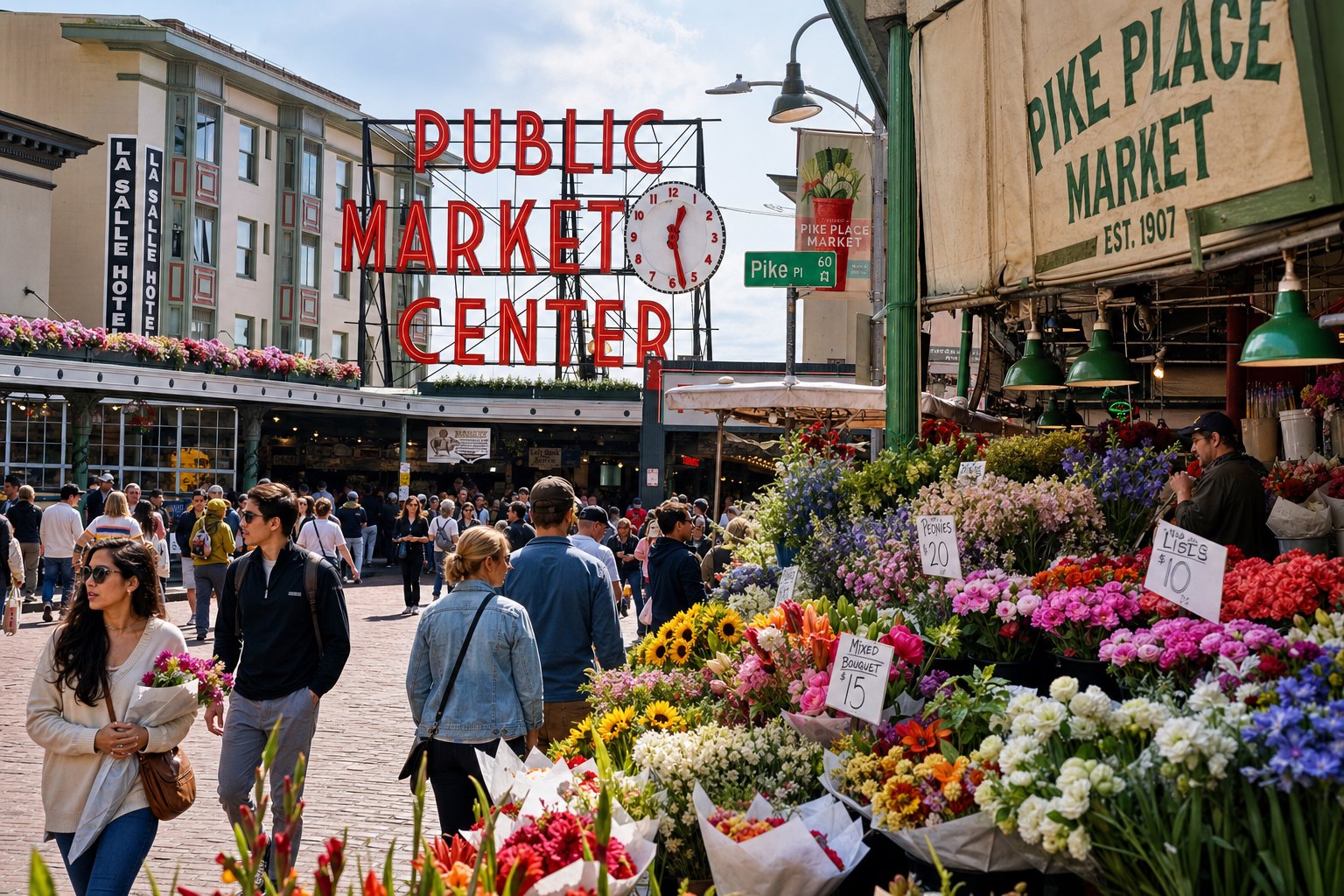
Median single-family home prices in Seattle hover around $850K-$925K. Condos run lower, generally $400K-$700K depending on neighborhood. Rents for a 1-bedroom in central Seattle range from $1,800 to $2,800 depending on building and neighborhood; 2-bedrooms run $2,500 to $4,000+.
Transportation
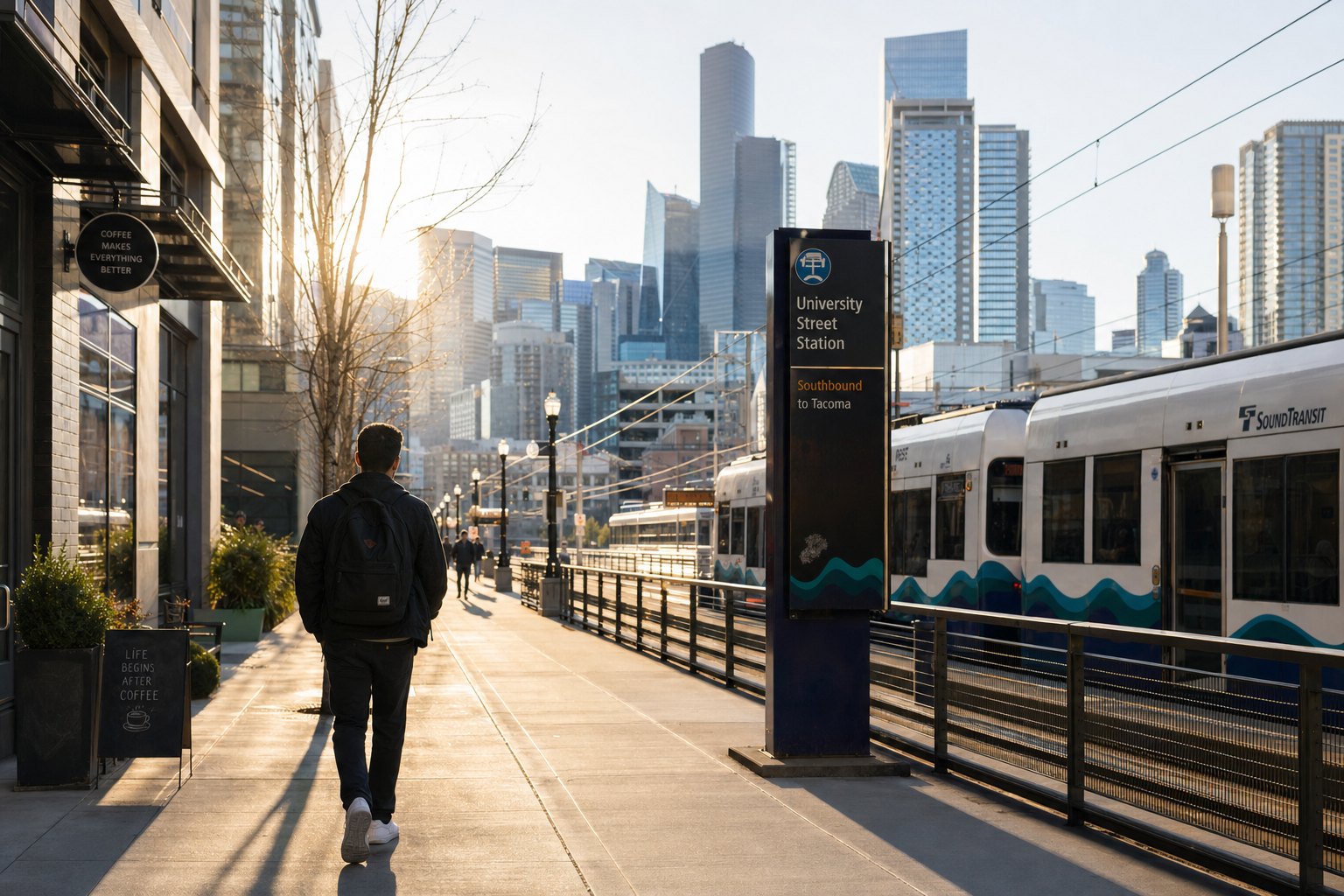
Seattle has improving public transit — light rail (Link), buses (Metro and Sound Transit), water taxis, and ferries. A monthly transit pass is around $99. Many Seattleites still drive, especially in neighborhoods less served by transit. Parking in central neighborhoods can be a real cost — $200-400/month for a secured space.

Utilities
Electricity (Seattle City Light): $60-150/month depending on home size and heating type. Gas (Puget Sound Energy): $50-120/month in winter, much less in summer. Water/sewer/garbage (Seattle Public Utilities): $100-180/month combined. Internet: $60-100/month. Total: $250-500/month for a typical household.
Food
Groceries in Seattle run 15-25% above the national average. A weekly grocery bill for two adults averages $150-225. Restaurants have rebounded post-pandemic with higher prices — expect $20-30 per person for casual, $50-80 per person at mid-range, $100-150+ at the high end.
Taxes — Washington's secret weapon
Washington has no state income tax. That's a meaningful advantage versus California, Oregon, or most East Coast states. Property taxes are moderate (Seattle property tax is around 0.85-0.95% of assessed value). Sales tax is high (10.25% in Seattle), so consumption-heavy lifestyles pay more.
What this means for a buyer
A household budget that worked in Austin or Denver may need adjustment in Seattle. But many transplants find that the no-income-tax advantage offsets a significant portion of the higher cost of living, especially at higher incomes.