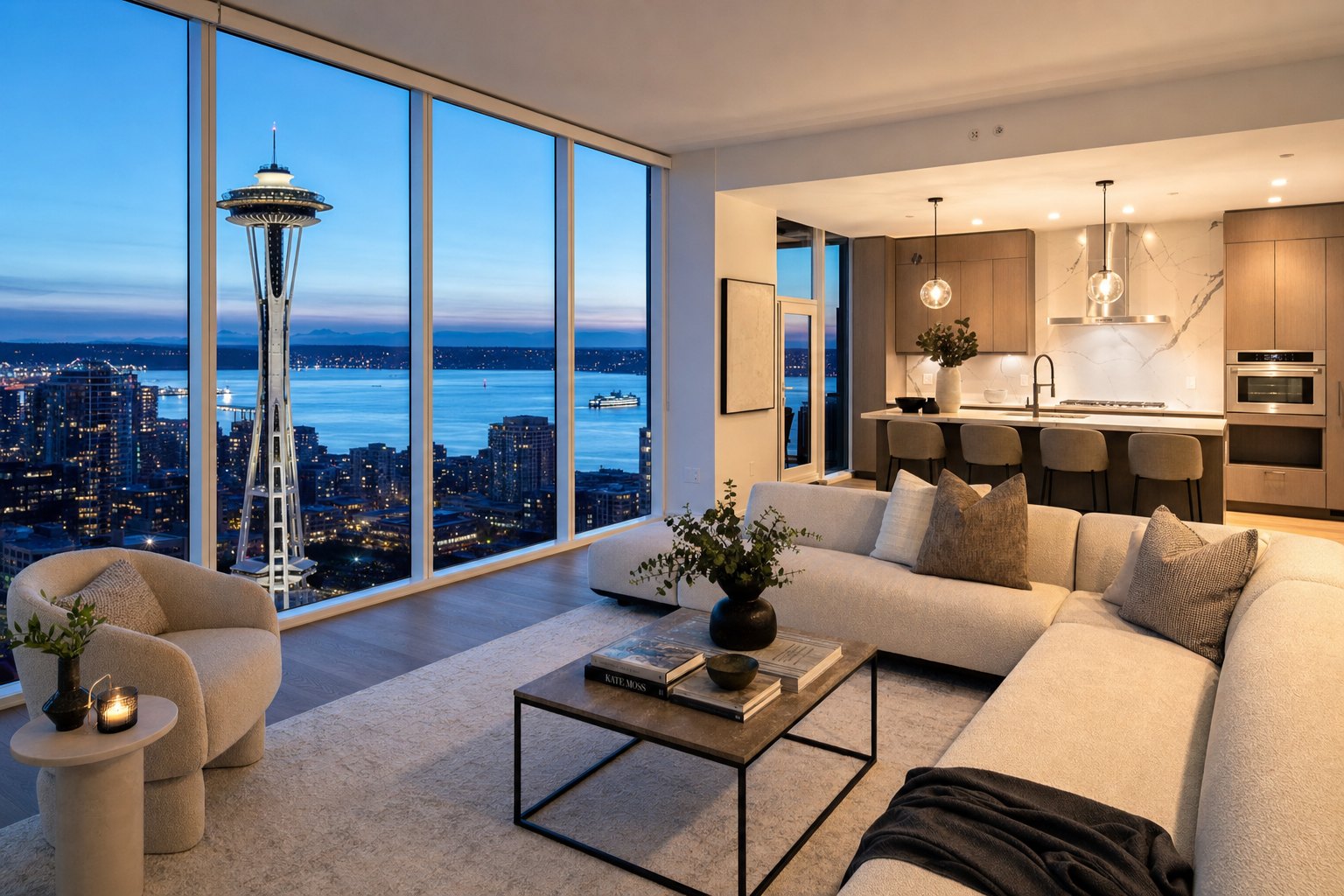
The big-picture downtown condo map
Downtown Seattle condos cluster into a few distinct sub-markets: the urban core (around Pike Place and the financial district), Belltown (between downtown and Seattle Center), South Lake Union (modern, tech-adjacent), First Hill (older, established), and the Denny Triangle (newer, mid-priced). Each has its own price range, building stock, and feel.
What to look for in a building
Buildings vary enormously in quality. A well-run building can be a great investment; a poorly-run one can become a financial trap. Look at:
- Reserve studies. Is the building setting aside enough money for upcoming work? A healthy reserve study shows planning for the next 20-30 years.
- Recent and upcoming special assessments. If owners have been hit with $30K assessments recently, you should know.
- Pending litigation. Lawsuits affect financing — some buildings become 'unwarrantable' and harder to sell.
- Rental policies. Caps, minimums, and short-term rental rules vary widely.
- HOA dues trajectory. Dues that have risen 8% per year for the past five years tell you something.
View premiums and orientation
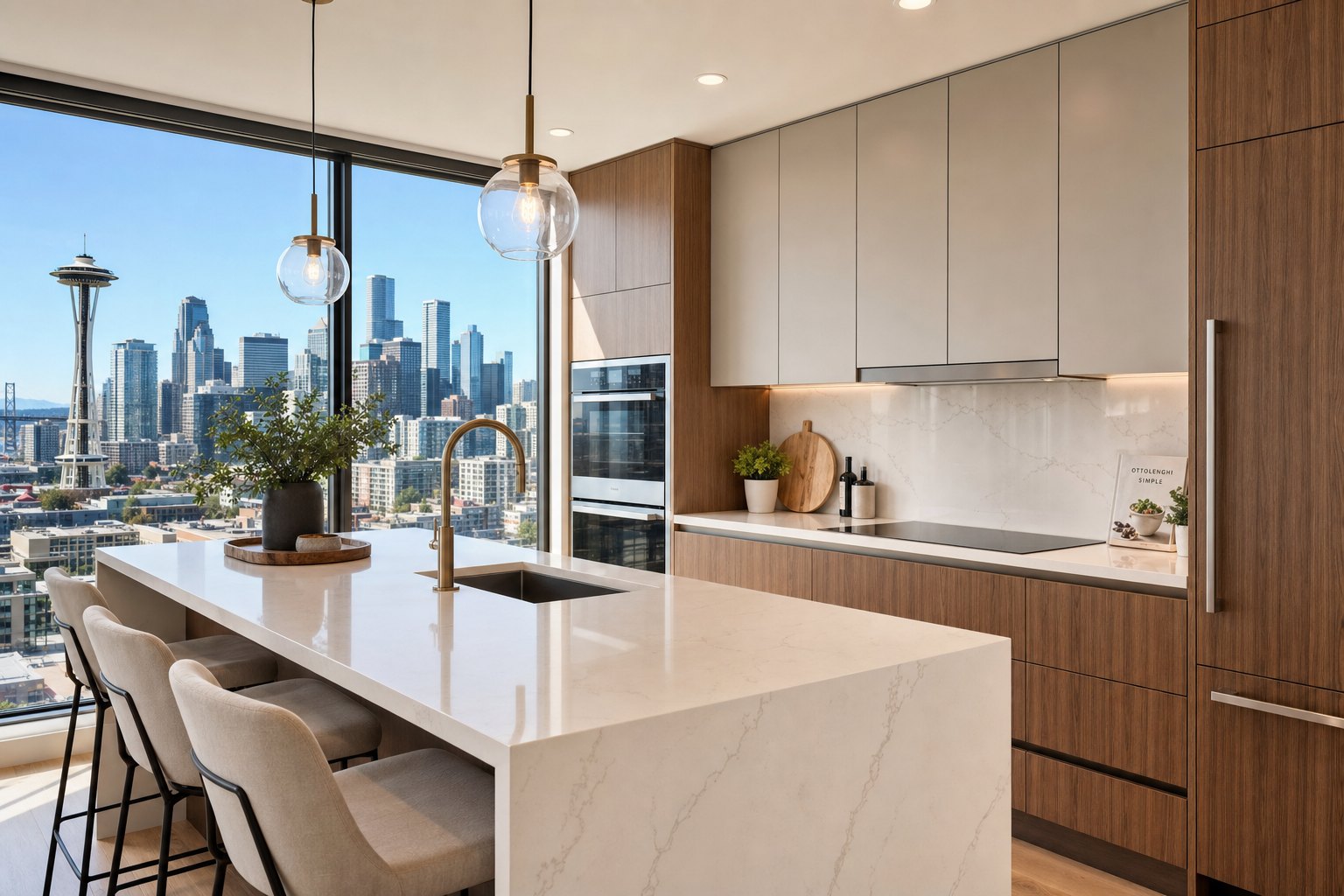
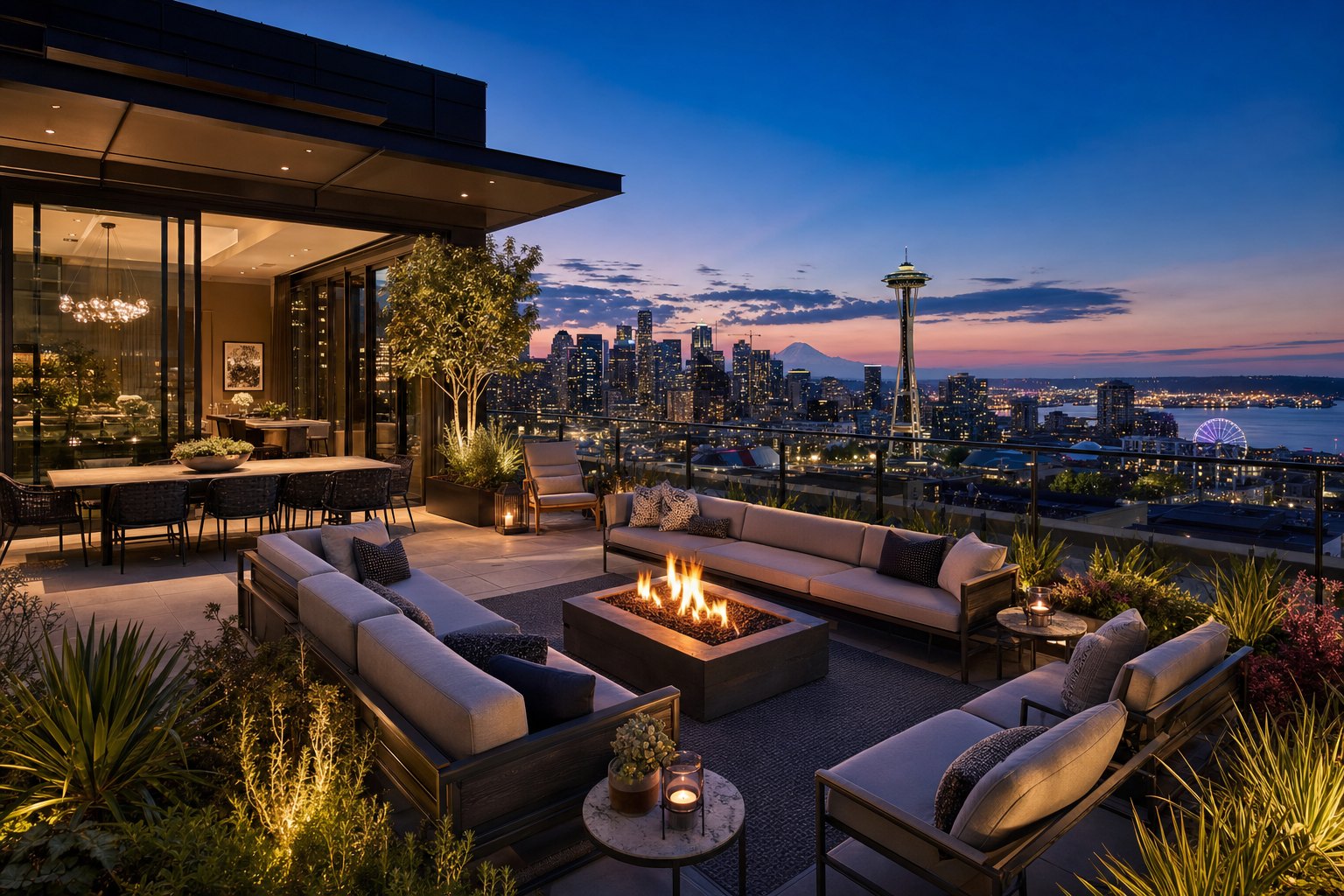
Views in downtown Seattle condos can add 20-40% to a unit's price. North-facing views (Space Needle, Queen Anne) are popular. West-facing views (Puget Sound, Olympics) are the most prized. South-facing units get the most sun but heat up in summer. East-facing units have city skyline views but morning glare. Verify any view by visiting at different times of day.
Parking, storage, and the little things that add value
A deeded parking space in downtown Seattle can be worth $25-50K. Two spaces, $40-80K. Storage units add real value too. Many older buildings have shared parking pools rather than deeded spaces — know which you're buying.