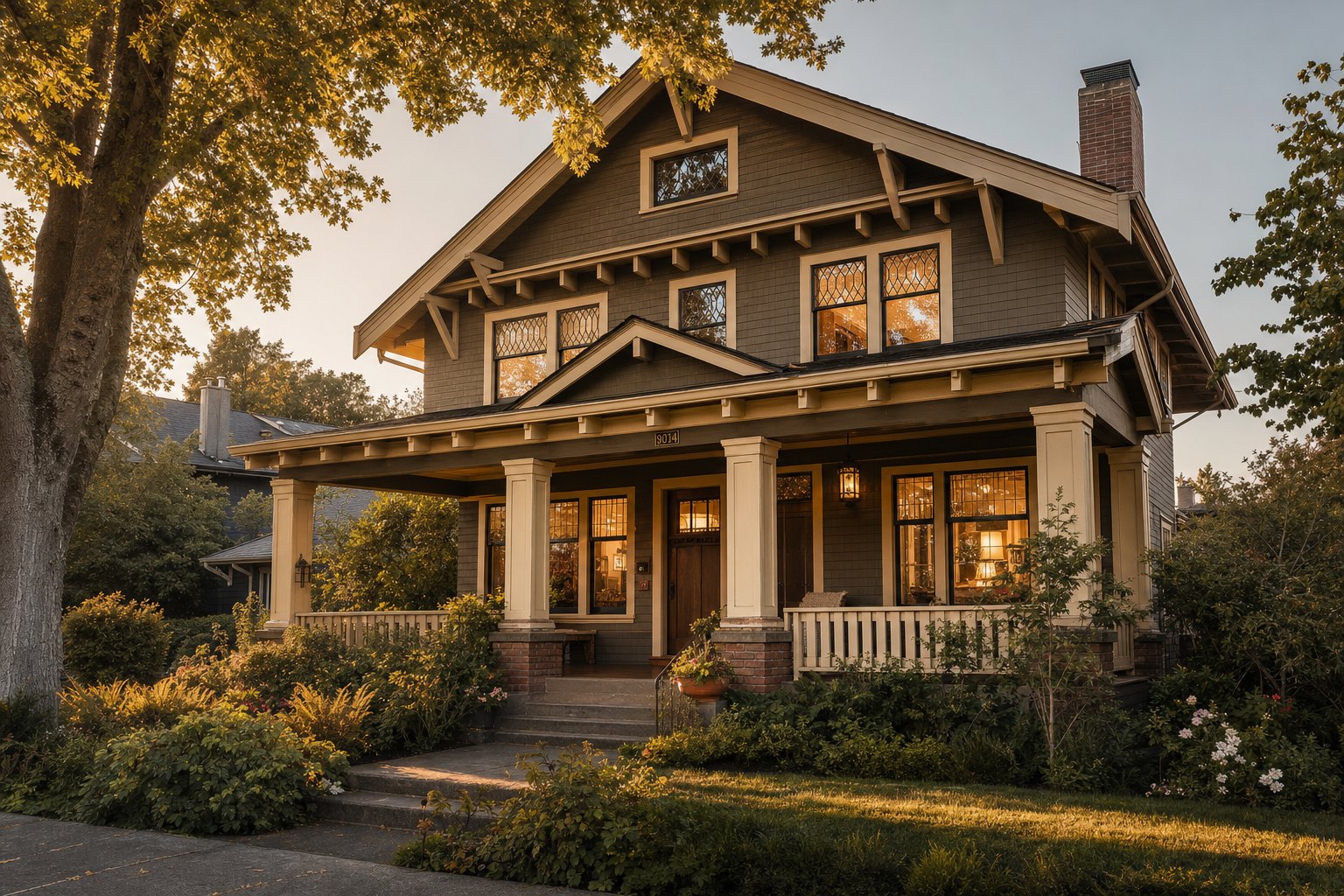
What 'historic' really means
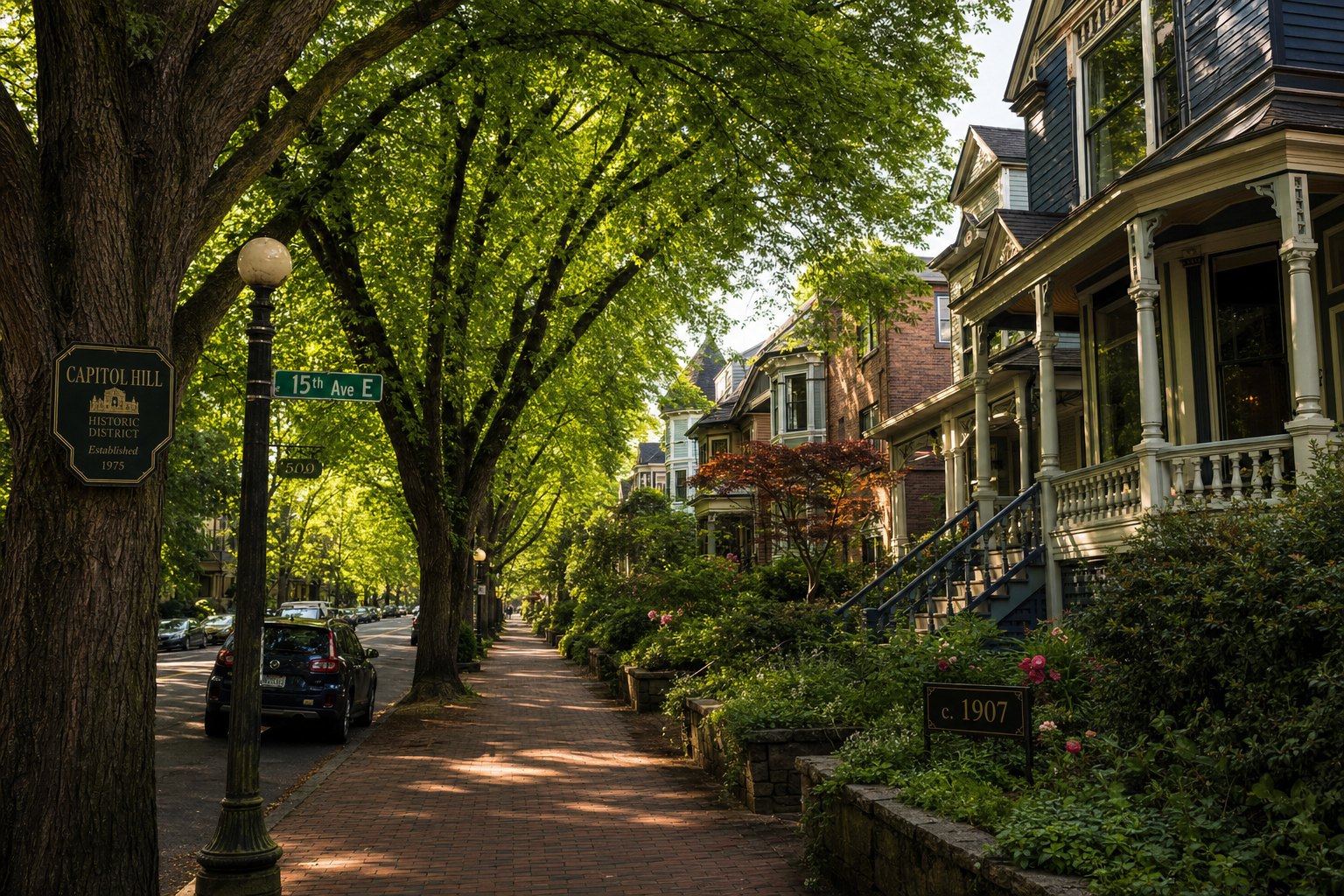
In Seattle, 'historic' covers a spectrum. At one end: a home in a designated historic district like Columbia City, Pike/Pine, or Ballard Avenue, with formal design review requirements. In the middle: a home over 50 years old with no specific protection. At the other end: a home individually listed on the Seattle Register of Historic Places, with the strictest controls and the most prestige.
The common issues in old Seattle homes
- Knob-and-tube wiring. Common in pre-1940 homes. Insurance companies increasingly refuse to cover it. Budget for replacement.
- Galvanized plumbing. Rusts from the inside. Reduces water pressure over time. Eventually has to be replaced.
- Cast-iron drain lines. Last 60-100 years. Inspect with a sewer scope.
- Original windows. Beautiful, but energy-inefficient. Restoration vs. replacement is a real debate.
- Foundation cracks. Common and usually cosmetic. But sometimes structural. Get a structural review.
- Asbestos and lead. Pre-1978 paint may contain lead. Pre-1980 insulation may contain asbestos. Mitigation has costs.
Renovation rules in historic districts
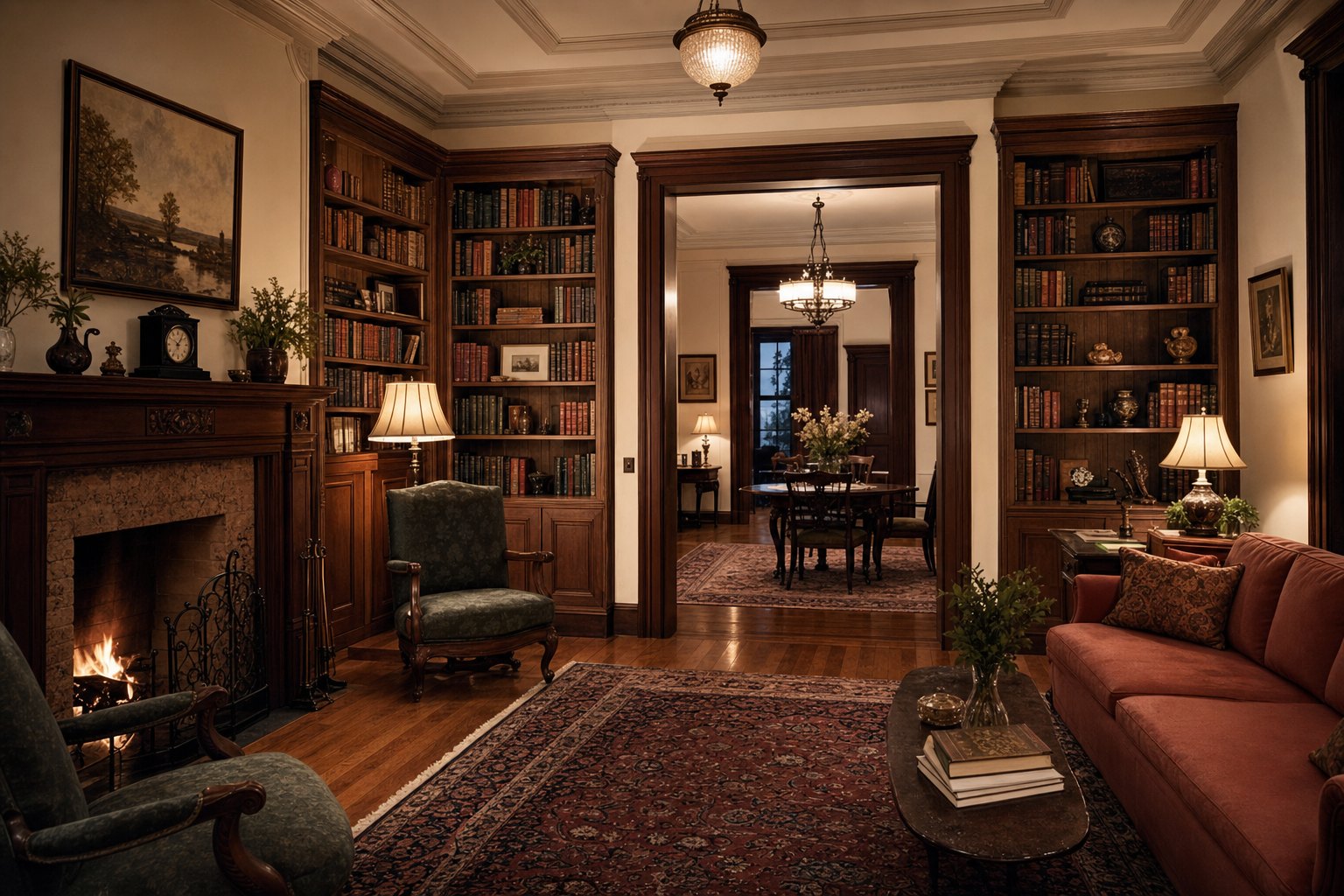
If you buy in a designated historic district, exterior changes — paint colors, window replacement, porch alterations — typically require design review. Interior changes are usually free of restriction. The trade-off is real: more regulation, but also a guarantee that your neighbors can't tear down their craftsman to build a modern box.
What to budget
Buyers of older Seattle homes should plan for $30-80K of post-purchase work in the first two years on most homes. That's not a flaw — it's the cost of stewarding a 100-year-old asset. Heather will walk every home with you and give you a candid sense of what's ahead.