
What a standard home inspection covers
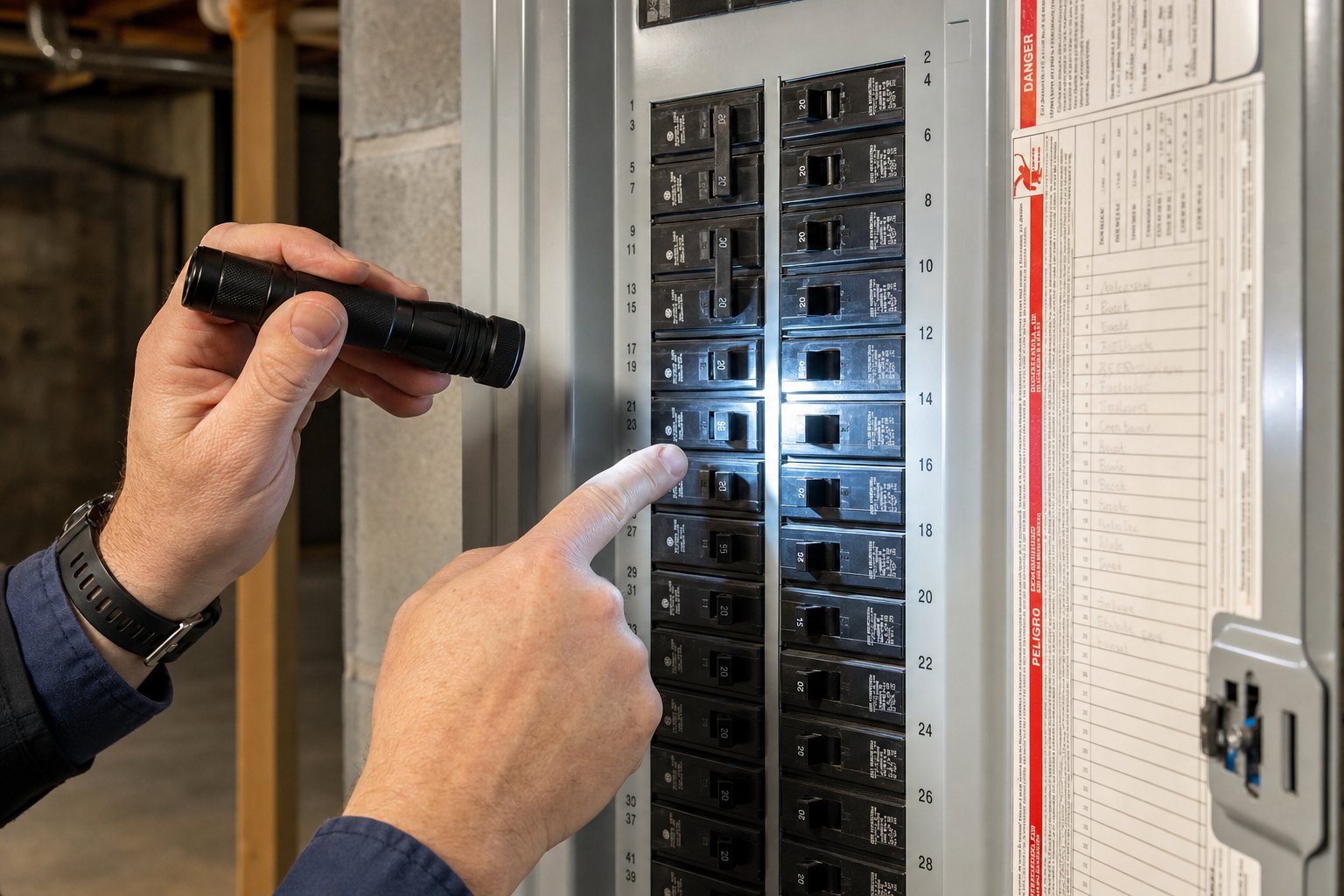
A standard residential home inspection in Washington covers structural elements (foundation, framing, roof), major systems (electrical, plumbing, HVAC), interior conditions, exterior conditions, and visible water intrusion or moisture issues. Inspectors look at what's accessible without dismantling. They typically spend 3-4 hours on site and produce a written report within 24-48 hours.
What it doesn't cover
- Concealed conditions (behind walls, under floors, inside ceilings)
- Sewer lines from the house to the street (separate sewer scope needed)
- Underground oil tanks (separate scan needed for older Seattle homes)
- Specific code compliance
- Pest infestations beyond visible evidence
- Environmental hazards like radon, lead paint, or asbestos (separate testing required)

Specialty inspections you may want
- Sewer scope. $200-300. Essential for any home built before 1980. Identifies cast-iron drain issues, root intrusion, and broken lines.
- Oil tank scan. $250-400. Essential for any home built before 1985. Buried oil tanks are a major liability if found unexpectedly.
- Chimney scope. $200-400. For homes with masonry chimneys or working fireplaces.
- Structural review. $400-800. When the general inspector flags foundation, framing, or slope concerns.
- Mold/moisture assessment. $400-800. When water staining or musty smells are present.
How to choose an inspector
A good inspector is methodical, communicative, and not afraid to share concerns. Ask for a sample report. Ask how many inspections they do per year (look for 200+). Ask about their background — many of the best inspectors are former contractors or engineers. Heather has a short list of inspectors she trusts and recommends them by name.
Using the report to negotiate
The inspection report becomes a negotiation tool — but not a list of every nitpick. Smart buyers focus on safety issues, structural concerns, and items that will cost meaningful money to fix. Heather walks you through every report and helps you decide what's worth pushing back on and what's normal wear that you accept and move on.