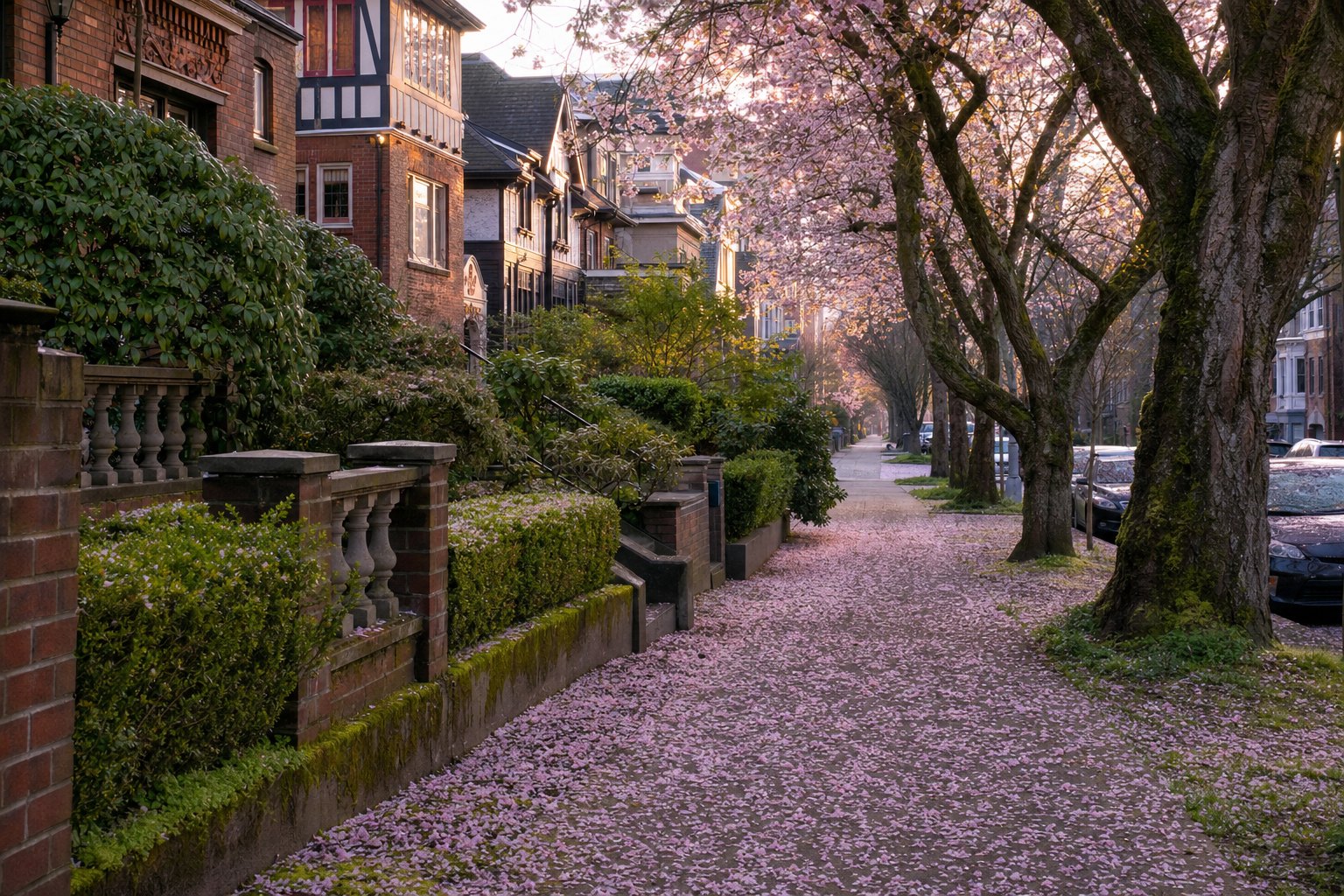
What Capitol Hill feels like
Capitol Hill is dense, lively, and unmistakably urban. It runs east of downtown, climbing up from I-5 to Volunteer Park, and is anchored by Broadway, 15th Ave E, and 19th Ave E. The neighborhood has long been Seattle's cultural hub — music, theater, LGBTQ+ history, independent bookstores, and a coffee scene that helped define the city. It is the most walkable residential neighborhood in Seattle, full stop.
Housing on Capitol Hill
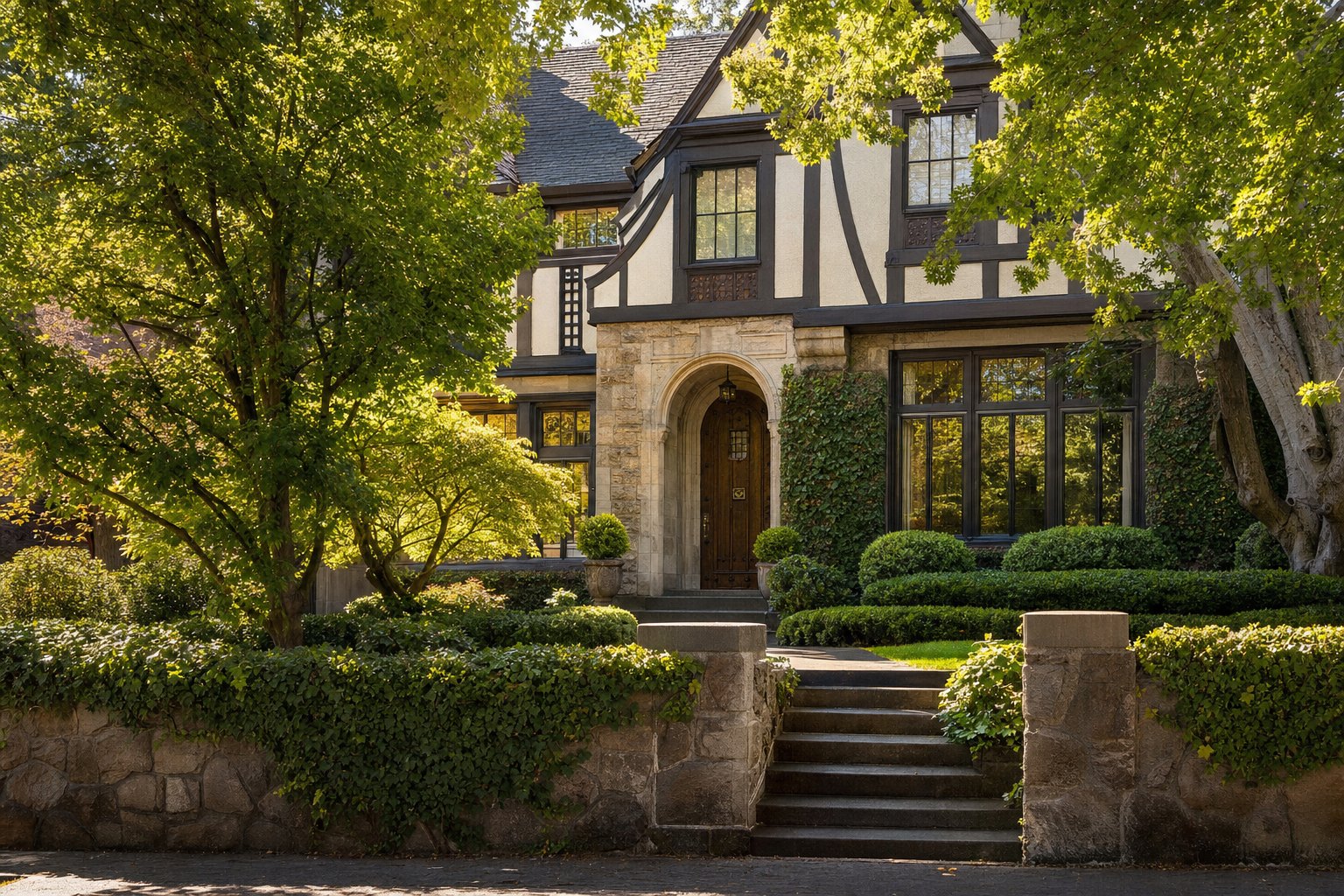
The housing stock is varied. North Capitol Hill — between Aloha and the Montlake Cut — is the most prestigious, with grand Tudor and Colonial Revival mansions on streets like 14th Ave E and Federal Ave E. Central Capitol Hill mixes apartment buildings, vintage four-plexes, and rowhomes. South Capitol Hill, near First Hill and Pike/Pine, is mostly condos and apartments. Stratus, Joseph Arnold Lofts, Press, and Trace are the better-known recent condo buildings.
What to know if you're buying on Capitol Hill
- Single-family homes are limited and expensive — most of the inventory is condos and townhomes.
- Old condo buildings (pre-2000) often need close HOA scrutiny — reserves, special assessments, and rental policies all vary widely.
- Parking is at a premium and adds real value. A unit with deeded parking can be worth $25-50K more.
- Neighborhood character changes dramatically from block to block. A unit two blocks from a busy nightlife street is a very different living experience than one on the street itself.
Parks, transit, and weekend life
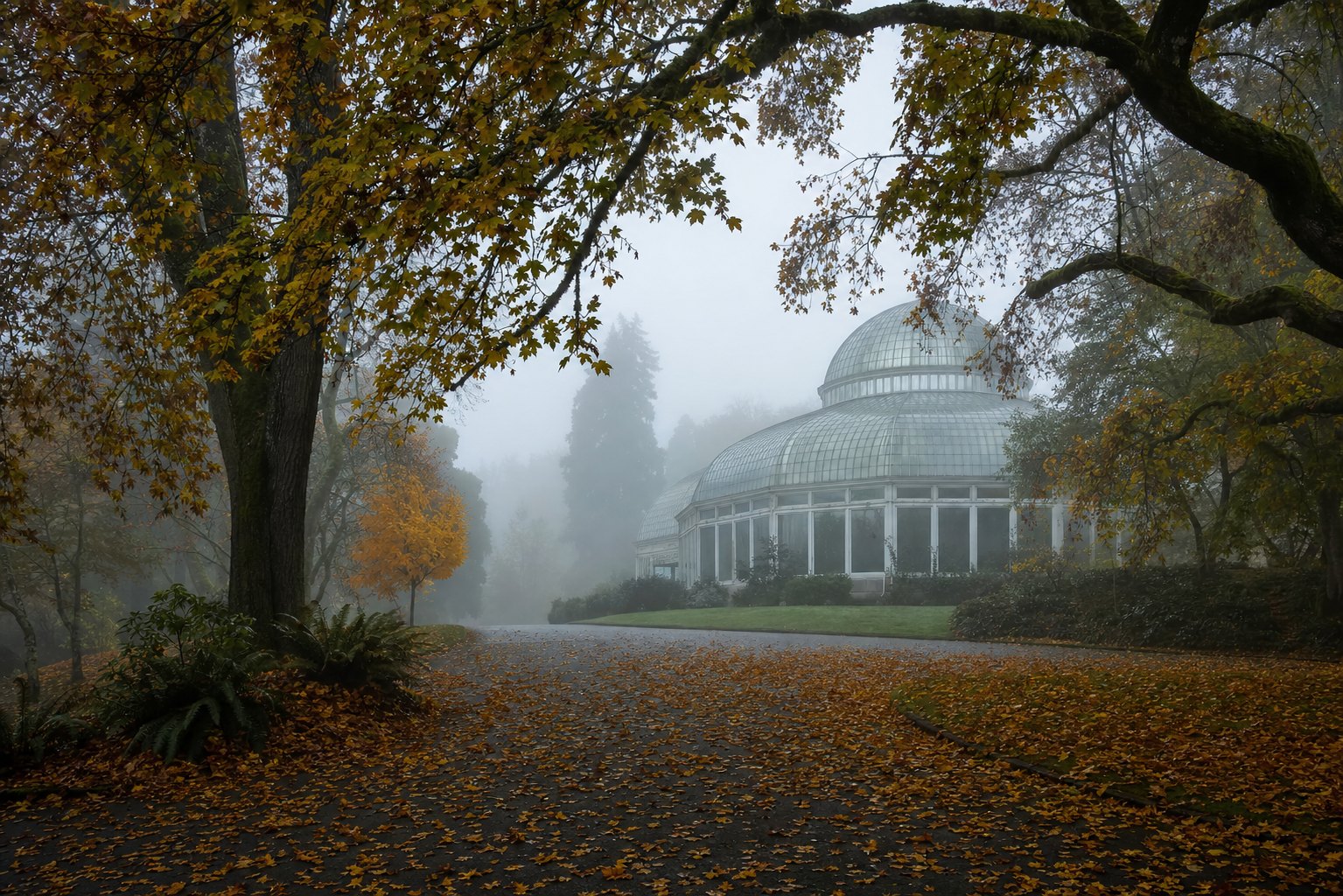
Volunteer Park is the crown jewel — 48 acres with a conservatory, the Seattle Asian Art Museum, and the famous water tower observation deck. Cal Anderson Park anchors the core. Light rail at Capitol Hill Station connects you to the airport in 35 minutes and to downtown in 4 minutes. Weekends mean Elliott Bay Books, Vios for brunch, the Pike/Pine corridor at night.