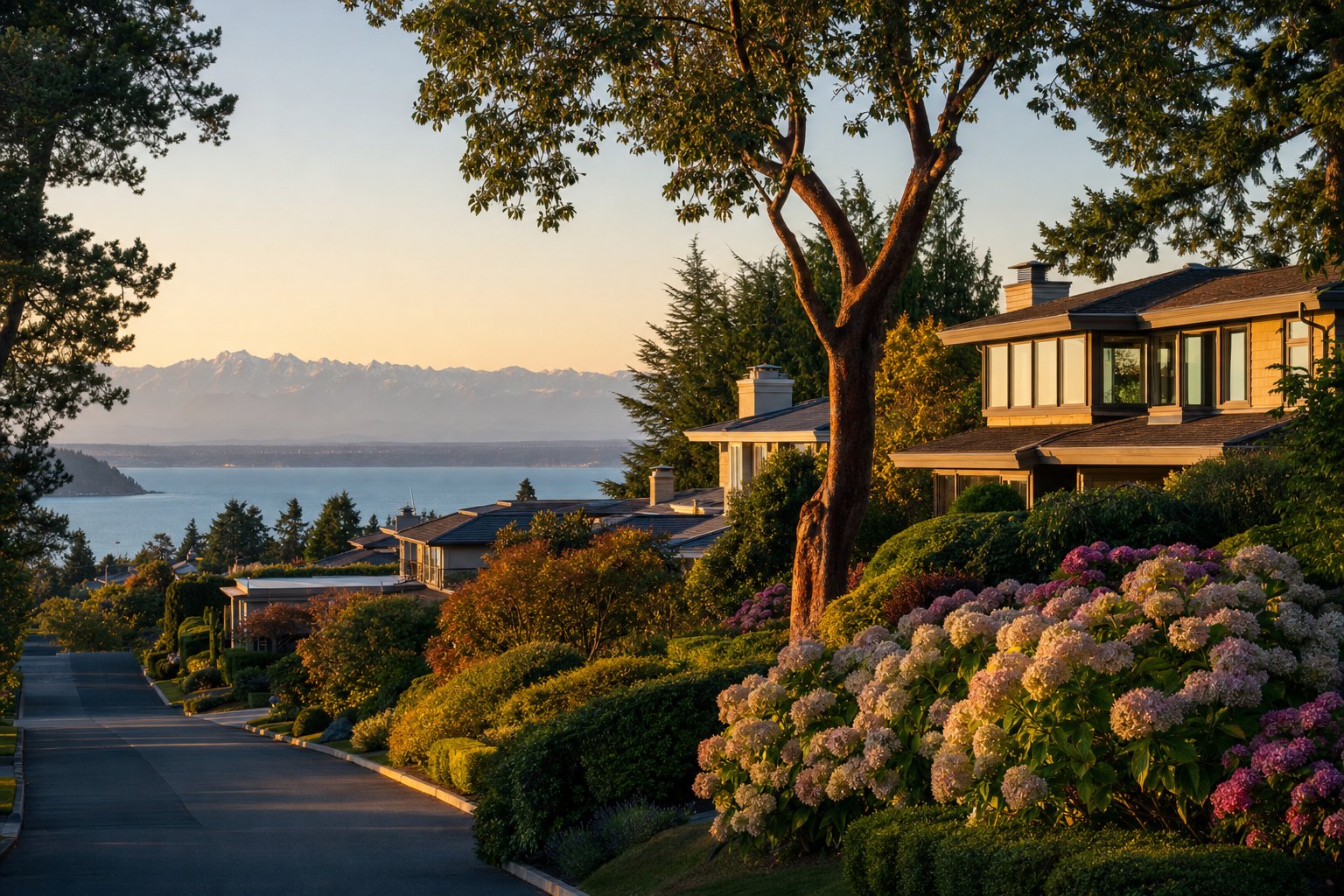
What Magnolia feels like
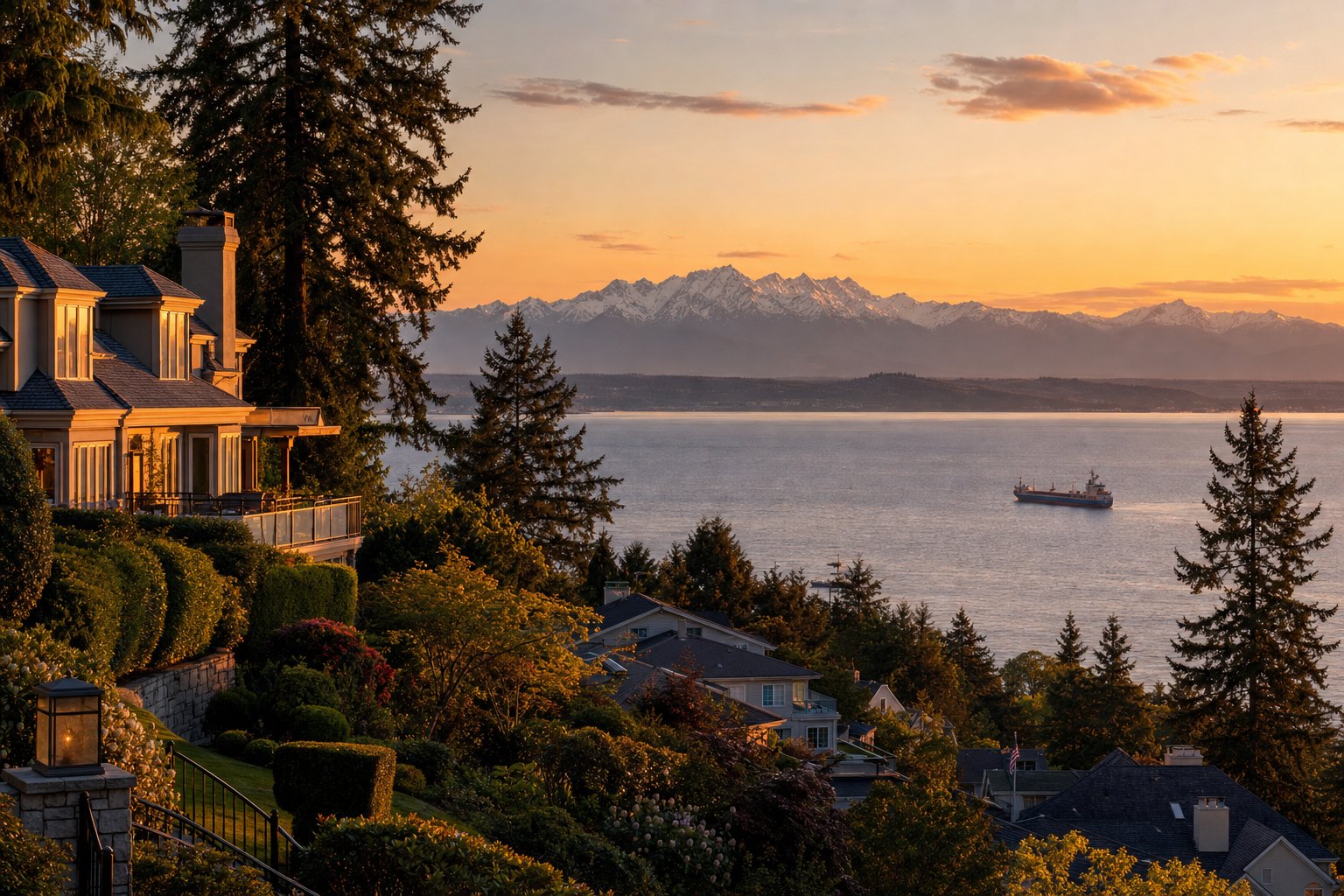
Magnolia sits at the far northwest tip of Seattle, bounded by Puget Sound on three sides. You enter via the Magnolia Bridge from Interbay, the Dravus Street bridge, or the Magnolia Way W bridge from the south. Once you're in, the neighborhood unfolds across a peninsula of leafy streets, view homes, and the spectacular 534-acre Discovery Park along the western edge.
Housing in Magnolia
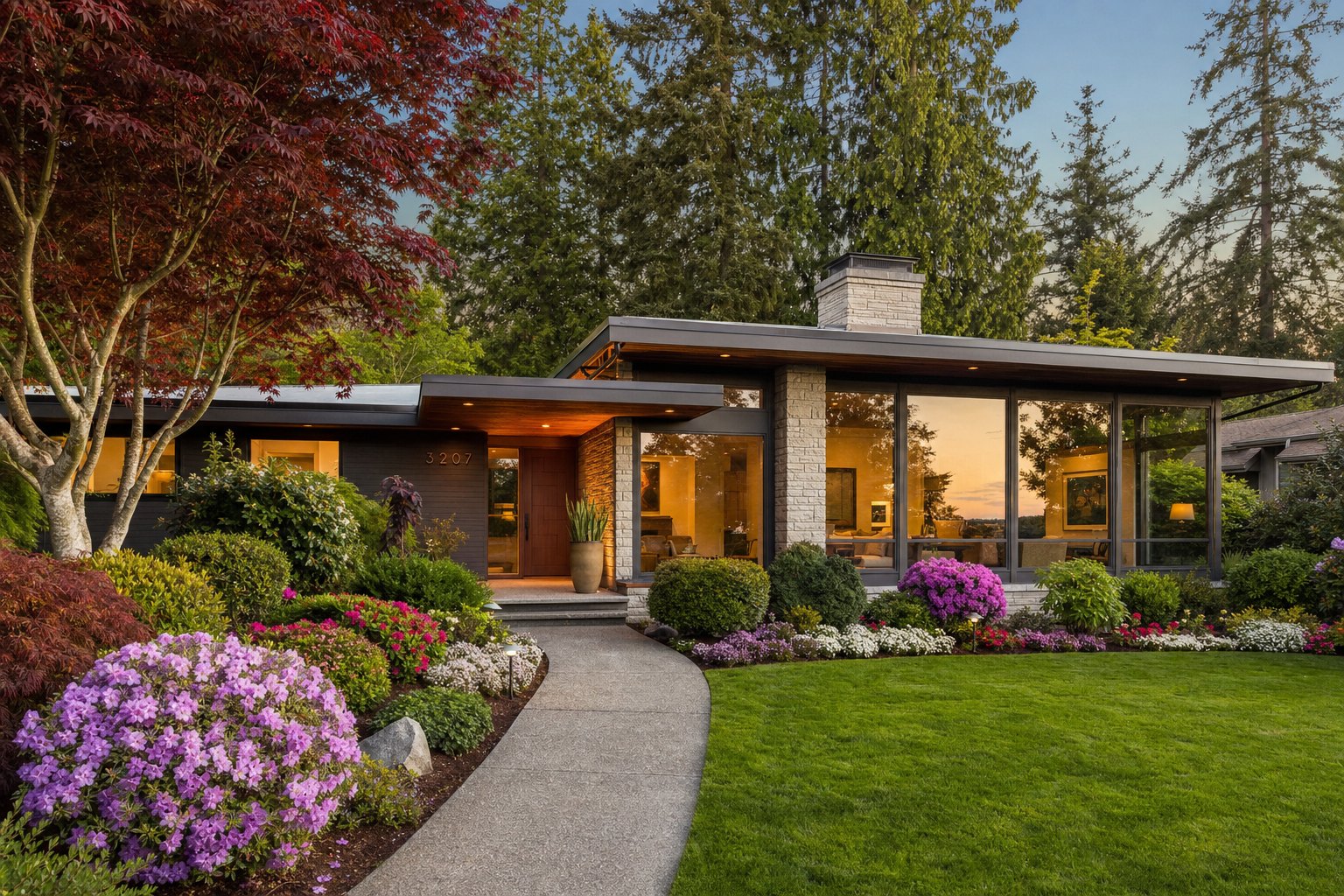
Magnolia's housing is varied. The most prestigious section is the bluff — homes along Magnolia Blvd W, W Garfield St, and the streets that look out across Puget Sound toward Bainbridge Island and the Olympics. Inland, you'll find a mix of 1940s-1960s ranches, mid-century moderns, and contemporary remodels. The Village at the top of the hill is the small commercial center with restaurants, a market, and a few shops.
What to know if you're buying in Magnolia
- The bluff is a slope. Geotechnical reports matter on any home along Magnolia Blvd or the west-facing side.
- View premiums are substantial. A west-facing view of the Sound can add $500K-$1M+.
- Bridge access is a real consideration. The Magnolia Bridge is aging; alternate routes are slower.
- Magnolia is one of Seattle's quietest neighborhoods — the trade-off for slower access to the rest of the city.
Heather's home turf
Heather lives in Magnolia and has sold more homes here than in any other neighborhood. She knows the bluff, the village, the school catchments, the bridge politics, and the way fog rolls in off the Sound on October mornings. If you're considering Magnolia, you're considering Heather's specialty.